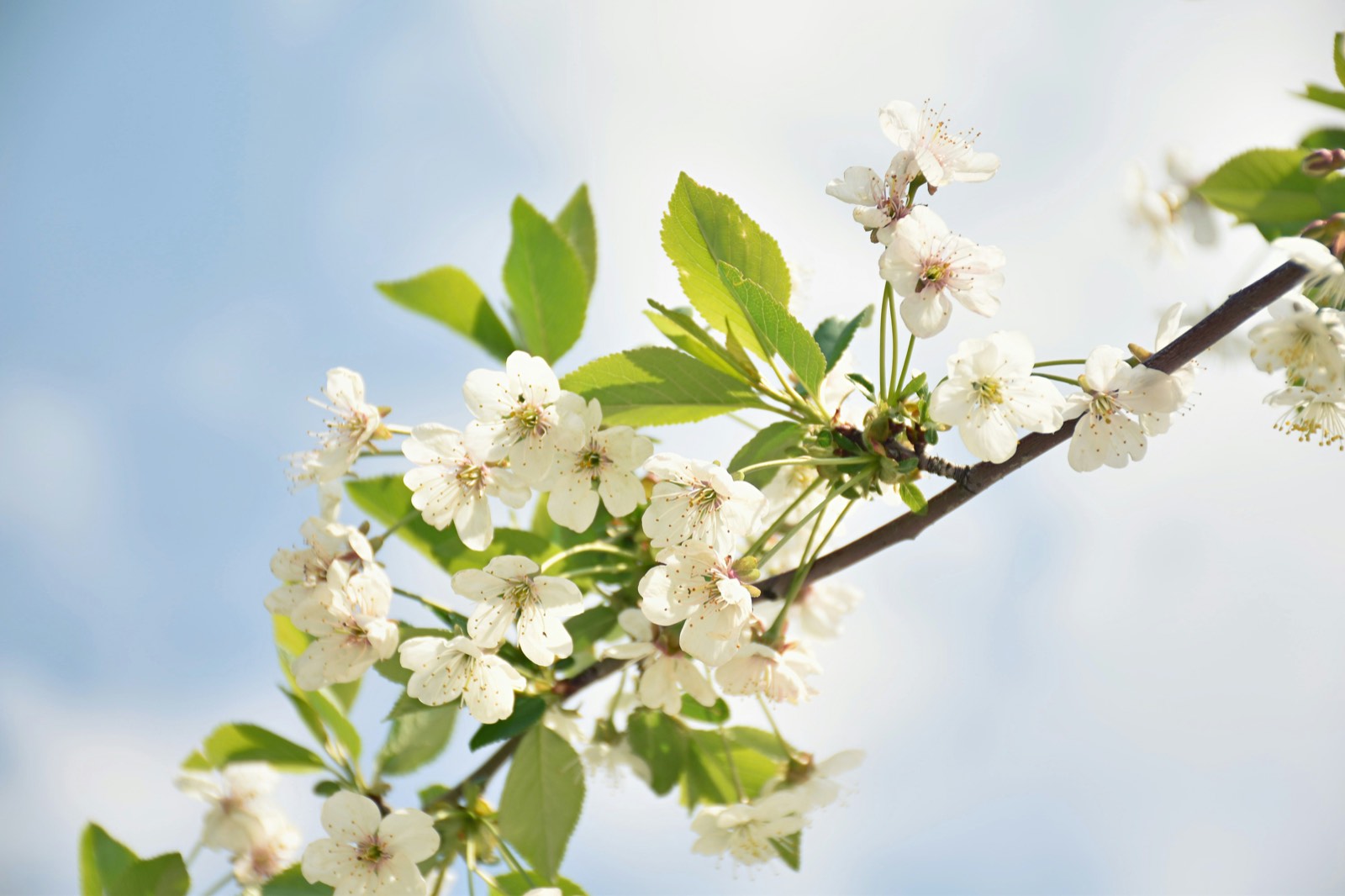
While the world fights over Kyoto hotel rooms, Taiwan runs a full cherry blossom season of its own — and its centerpiece sits at 2,200 meters in the cypress forests of Alishan, where blossoms frame a century-old narrow-gauge railway instead of temple gates. English-language coverage of Taiwan’s sakura is thin, which is exactly why the crowds are too. This is the connoisseur’s alternative to Japan, and it blooms later.
This guide covers Alishan’s timing, the forest railway, the mountain-lodging bottleneck that makes or breaks the trip, and the lower-elevation backups near Taipei.
When does Alishan bloom?
Altitude is the whole story. At 2,200 meters, Alishan’s cherry season runs mid-March to mid-April — starting just as Tokyo and Seoul peak and continuing for weeks after. In 2026, the season got underway around March 10. Lower elevations around Taiwan bloom earlier, from roughly February onward, which stretches the island’s total sakura window across three months:
| Location | Elevation | Typical bloom |
|---|---|---|
| Yangmingshan (Taipei) | Low–mid mountain | ~February – March |
| Wuling Farm (Taichung) | Mid mountain | ~February |
| Alishan (Chiayi) | 2,200 m | Mid-March – mid-April |
The practical takeaway: if you missed Japan’s peak — or never wanted to fight for it — Alishan in the second half of March is your reroute. As with any mountain bloom, exact timing shifts with the winter’s weather; treat mid-March through mid-April as the band and check Taiwan’s forestry and tourism updates as your dates approach.
The Alishan Forest Railway
Alishan isn’t just a viewpoint — it’s a forest recreation area laced with trails, giant cypress trees, sunrise lookouts above a sea of clouds, and the Alishan Forest Railway, a narrow-gauge line originally built for logging that now climbs from the lowland city of Chiayi into the high forest. During blossom season, the short branch lines inside the recreation area run right past flowering trees — the train-through-blossoms shot is Alishan’s signature image, and the reason photographers set up trackside from early morning.
Build your visit around three things: a sunrise excursion (the pre-dawn train to the viewing platforms is a beloved ritual), a slow morning on the blossom-lined trails before day-trippers arrive mid-morning, and the railway itself.
The lodging bottleneck
Here is the constraint that shapes every Alishan trip: lodging on the mountain is scarce, and it books out roughly 2–3 months ahead for blossom season — earlier for weekends. There are only a handful of hotels inside the recreation area and a limited supply in nearby villages.
Your options, in order of preference:
- Sleep on the mountain (book 2–3+ months out). The only way to do sunrise without a brutal middle-of-the-night drive, and the only way to have the blossoms nearly to yourself at 7 a.m.
- Stay in Chiayi and go up for the day. Chiayi has plentiful hotels and is the railhead for the forest railway. It makes for a long day — the climb takes hours by train or bus — but it works.
- Take a guided day tour from Chiayi, Taichung, or even Taipei via high-speed rail. Least flexible, zero logistics.
Whichever you choose, avoid weekends at peak if you possibly can. Taiwan’s domestic travelers know exactly when Alishan blooms.
Earlier blooms near Taipei: the plan B (or the warm-up)
If your trip lands in February or early March — before Alishan gets going — Taiwan still delivers:
- Yangmingshan National Park, on Taipei’s doorstep, runs a well-loved flower season in late winter, with cherry blossoms among its headliners. It’s reachable by city bus.
- Wuling Farm, a high-mountain farm in the Taichung area, is famous island-wide for its early cherry blossoms and is popular enough that access is managed at peak — plan ahead.
These also work as insurance: pair a Taipei-area bloom early in your trip with Alishan later, and you’ve effectively bought two chances at peak.
A 5-day Alishan itinerary
Days 1–2 — Taipei. Land, acclimate, and if it’s still February or early March, catch Yangmingshan’s blossoms. Eat well.
Day 3 — To Chiayi and up the mountain. High-speed rail to Chiayi (about 90 minutes), then the forest railway or bus up to Alishan. Afternoon on the trails as day crowds thin. Sleep on the mountain.
Day 4 — Sunrise and blossoms. Pre-dawn train to the sunrise platform, then blossom trails and the giant-cypress boardwalks before mid-morning arrivals. Descend late afternoon; overnight in Chiayi.
Day 5 — Return. Back to Taipei or onward to Tainan or Kaohsiung.
Booking timeline
- 3 months out: Book Alishan mountain lodging — this is the trip’s single hard deadline. Everything else is easy by comparison.
- 2 months out: Book flights and reserve forest railway tickets when your travel dates open.
- 1 month out: Book high-speed rail and any guided tours.
- 2 weeks out: Check bloom status and shuffle your mountain days if the season is running early or late.
Practical tips
- Pack for two climates. Chiayi is subtropical; Alishan at 2,200 m is genuinely cold at dawn, often near freezing in March. Bring a warm layer you’d never need at sea level.
- Weekdays only, if you can. Alishan’s crowds are overwhelmingly domestic and concentrate hard on weekends.
- Mist is part of the deal. High-mountain weather changes hourly — clouds roll through, then clear. Give yourself a full morning rather than a tight two-hour window.
- Why this beats Japan on stress: no bidding war for rooms a year out, no six-deep crowds at every photo spot, and a longer, later bloom window that forgives imperfect timing.