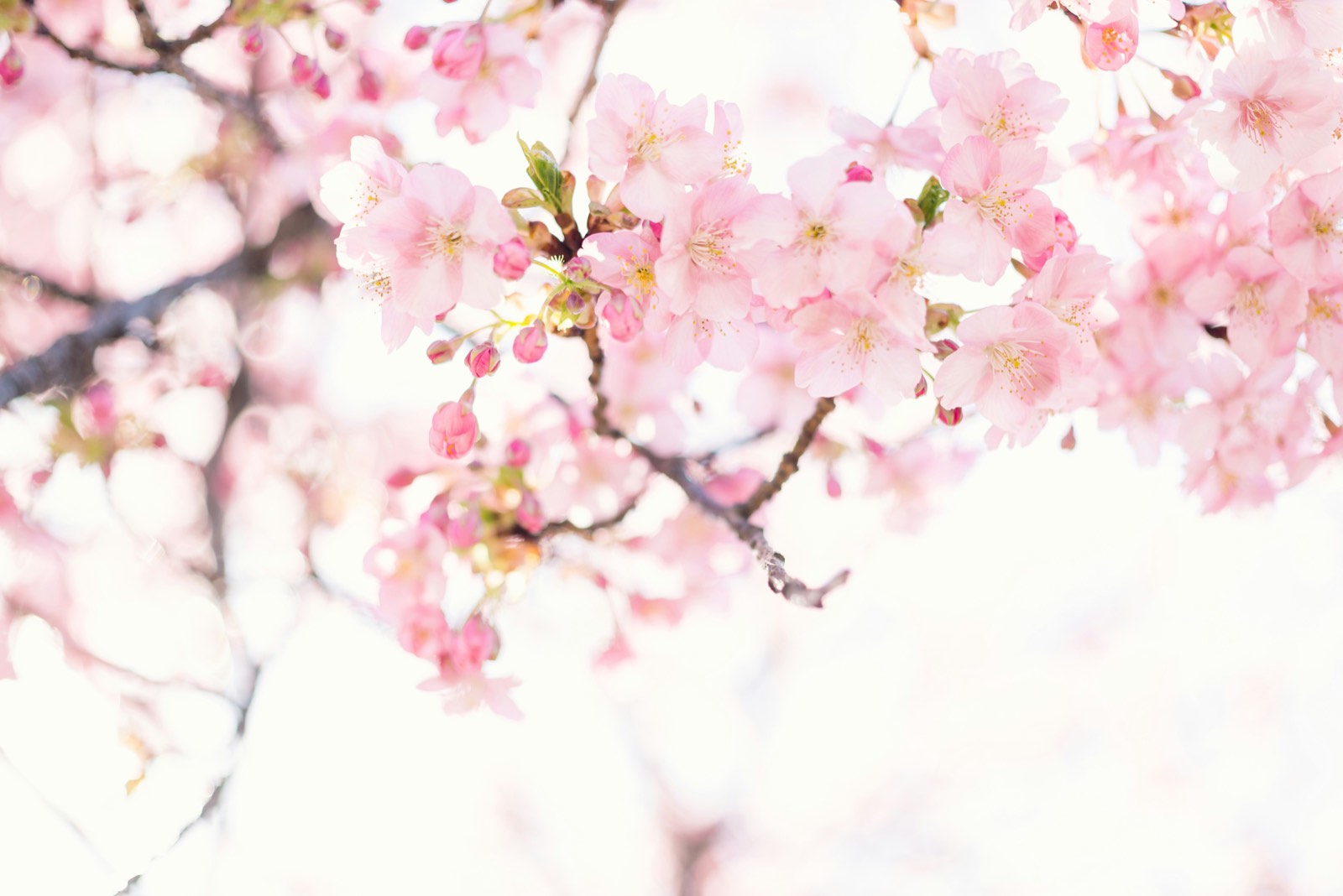
South Korea hosts the largest single cherry blossom gathering on the planet, and most Western travelers have never heard of it. The Jinhae Gunhangje Festival packs around 360,000 cherry trees into one small naval town on the south coast — and draws millions of visitors over ten days to prove it. Time it right and you get Japan-grade blossoms with a fraction of the international competition for hotel rooms.
This guide covers the national bloom timeline, how to do Jinhae without staying in Jinhae, and the Seoul spots worth building your trip around.
When do Korea’s cherry blossoms bloom?
Like Japan’s, Korea’s bloom moves as a front — south to north — compressed into roughly three weeks from late March to mid-April:
| Location | Typical full bloom |
|---|---|
| Jinhae & the south coast | Late March – early April |
| Busan | Late March – early April |
| Seoul (Yeouido, Seokchon Lake) | Early April |
The 64th Jinhae Gunhangje Festival ran March 27 – April 5, 2026 — that ten-day window is your best anchor for planning, since organizers set it around the expected southern peak. Seoul typically follows about a week behind, which means a well-sequenced trip can catch full bloom twice: Jinhae first, Seoul second.
As everywhere, the exact dates drift a few days year to year with winter and early-spring temperatures. Book refundable rooms and stay flexible inside that late-March-to-early-April band.
Jinhae: the main event
Jinhae is a naval district of Changwon on the south coast, and during festival week it is simply saturated in blossoms — streets, hillsides, the naval academy grounds. Two spots dominate every photo you’ve seen:
- Yeojwacheon Stream — a narrow canal lined with cherry trees whose branches meet overhead, crossed by the small “Romance Bridge” made famous by Korean television. Go at dawn; by mid-morning the walkways are shoulder to shoulder.
- Gyeonghwa Station — a disused rail line where the tracks run straight through a corridor of blossoms. It’s a set-piece photo op, and it functions like one: expect queues for the classic shot on weekends.
The festival itself layers in naval displays, food stalls, and evening illuminations. It’s loud, crowded, and genuinely festive — attendance runs into the millions over the ten days (estimates range from roughly 2 to 4.5 million). The crowd is mostly Korean, plus visitors from Japan, Taiwan, and Southeast Asia, so English-language infrastructure is thinner than in Kyoto. That’s a feature, not a bug.
The Busan strategy
Here’s the single most important logistical fact: Jinhae has very little lodging, and what exists sells out months ahead. Don’t fight it. Base yourself in Busan — Korea’s second city, about an hour away — and day-trip in, which is exactly what most festival-goers do.
Busan gives you thousands of hotel rooms, a real food scene, and its own late-March blossoms as a bonus. Buses and tours run to Jinhae throughout the festival; on peak weekends, roads into town clog badly, so leave early (aim to arrive by 8 a.m.) or go on a weekday. A guided day tour is worth considering purely for the transport headache it removes.
Seoul: round two of the bloom
Seoul peaks about a week after the south coast — typically early April — which makes it the natural second act.
- Yeouido — the famous cherry road behind the National Assembly on Yeouido island, Seoul’s signature blossom promenade, with a street festival atmosphere at peak.
- Seokchon Lake — a loop walk around a lake ringed with cherry trees in Jamsil, beneath the Lotte World Tower. Evening visits are lovely; the trees are lit after dark.
Both are extremely popular with locals — weekday mornings are dramatically calmer than weekends.
A 7-day two-peak itinerary
Days 1–3 — Busan. Land (Gimhae airport), settle in, and catch Busan’s own blossoms. Dedicate one full day — ideally a weekday — to Jinhae: Yeojwacheon at dawn, Gyeonghwa Station before the queues, festival food for lunch.
Day 4 — KTX to Seoul. The high-speed train takes under three hours.
Days 5–7 — Seoul. Yeouido on a weekday morning, Seokchon Lake at dusk, and the city’s palaces and food in between. If Seoul’s bloom is running late, you’ve built in slack; if it’s early, you arrive right on time.
If the bloom runs early: flip the order and start in Seoul only if forecasts clearly show the south already past peak — otherwise the south-first sequence is the safer default.
Booking timeline
- 4–6 months out: Book Busan and Seoul hotels with free cancellation. If you’re determined to sleep in Jinhae itself, book the moment festival dates are announced — its tiny lodging stock sells out months ahead.
- 2–3 months out: Book flights and any guided Jinhae day tours from Busan.
- 1 month out: Book KTX train tickets.
- 2 weeks out: Check Korean bloom forecasts and adjust your Jinhae day within the festival window.
Practical tips
- Weekends are brutal. The festival’s middle weekend is the crush. A Tuesday at dawn and a Saturday at noon in Jinhae are different universes.
- Transport beats lodging. Trying to stay in Jinhae adds stress for little gain; an early bus from Busan wins.
- Weather: Late March on the south coast is mild but changeable — layers and a rain shell. Rain and wind end the bloom fast, so front-load Jinhae in your trip.
- Language: Less English signage than Japan’s tourist trail. Naver Map works far better than Google Maps in Korea — download it before you land.
- Money: Cards are accepted nearly everywhere, but carry some cash for festival food stalls.